Get Barbed Wire Fence Installation
Local contractors offer barbed wire fence installation to secure property boundaries, prevent trespassing, and protect livestock across various residential and agricultural projects.
Barbed wire fence installation is a practical solution for property owners seeking effective boundary security, livestock containment, or perimeter marking. Whether establishing a new enclosure or replacing an existing fence, choosing the right local contractors can help ensure the job is done efficiently and to your specifications. Exploring your options for professional installation can provide clarity on the process and help you plan your project with confidence.
For property owners in the area, working with experienced service providers can offer tailored solutions that meet specific needs, whether for farm fencing, security barriers, or property delineation. Comparing local contractors allows for informed decisions based on expertise, reputation, and service offerings. Keep reading to discover how connecting with qualified professionals can support your fencing project from start to finish.
- Perimeter Security - when property owners need to establish a secure boundary around residential or commercial sites.
- Agricultural Fencing - for farmers or ranchers requiring durable fencing to contain livestock or protect crops.
- Industrial Enclosures - when businesses seek robust fencing solutions to secure industrial or construction sites.
- Wildlife Control - to prevent animals from entering or leaving specific areas, such as farms or private lands.
- Property Line Marking - for homeowners or landowners needing clear and effective boundary delineation.
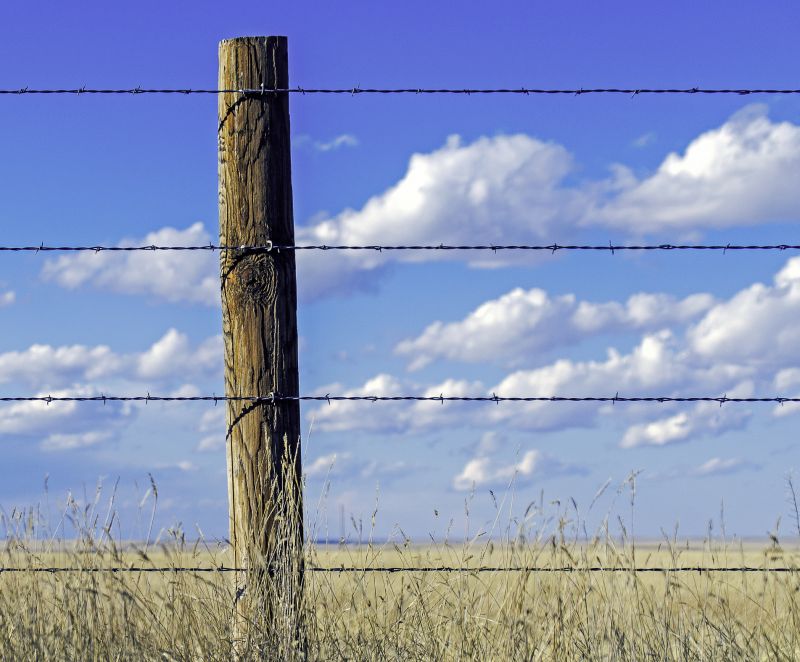
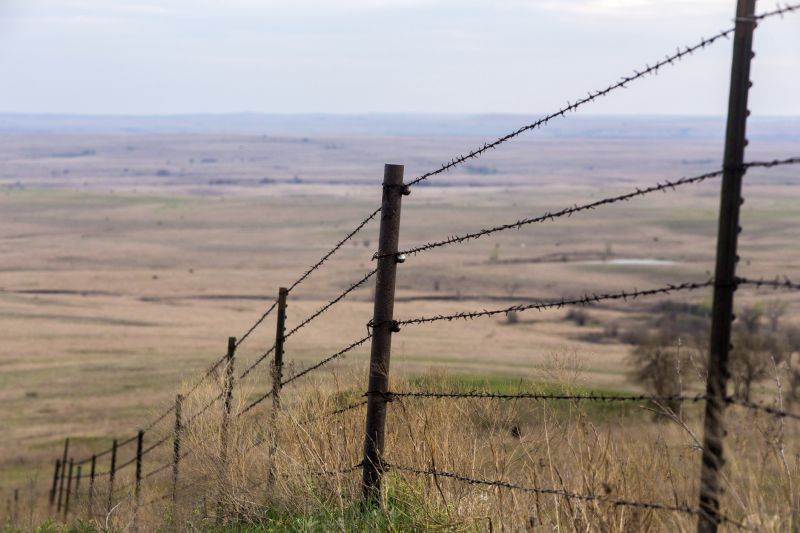
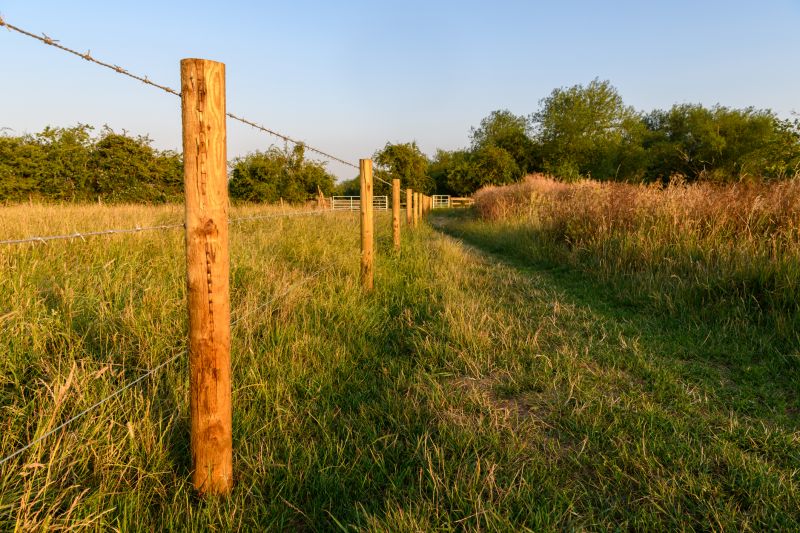
Barbed wire fence installation involves setting up durable fencing made with sharp-edged wire strands arranged in a series of barbs. This type of fencing is typically installed along property boundaries to create a physical barrier that is both effective and long-lasting. Professional contractors handle the entire process, which includes surveying the land, setting posts securely into the ground, and stringing the barbed wire tightly to ensure stability and security. Proper installation is essential to prevent sagging, maintain tension, and ensure the fence effectively serves its intended purpose over time.
Barbed wire fences are commonly used to address problems related to unauthorized access, livestock containment, and property security. They are especially useful in rural or agricultural settings where controlling movement across large areas is necessary. Homeowners with large parcels of land or those seeking to protect gardens, livestock, or equipment from trespassers often turn to barbed wire fencing as a cost-effective solution. Additionally, this fencing can deter unwanted animals or intruders from entering the property, providing peace of mind for property owners.
This type of fencing is well-suited for a variety of properties, including farms, ranches, and large rural estates. It can also be used in commercial settings such as construction sites, industrial yards, or storage facilities that require a robust barrier. Homeowners with sizable properties or those looking to delineate boundaries clearly often choose barbed wire fencing because of its strength and ability to cover large distances with minimal maintenance. When installed correctly, it offers a practical solution for securing and defining outdoor spaces.
Property owners considering barbed wire fence installation should evaluate their specific needs and property layout to determine if this fencing type is appropriate. It’s especially beneficial when a strong, visible barrier is needed to prevent trespassing or protect livestock. Local contractors can assess the property, recommend the best fencing options, and handle the installation efficiently. Connecting with experienced service providers ensures that the fence will be installed properly, providing the security and boundary definition that many property owners require.
The overview below groups typical Barbed Wire Fence Installation projects into broad ranges so you can see how smaller, mid-sized, and larger jobs often compare in your area.
In many markets, a large share of routine jobs stays in the lower and middle ranges, while only a smaller percentage of projects moves into the highest bands when the work is more complex or site conditions are harder than average.
Smaller Repairs - Minor fence repairs or short sections typically cost between $250 and $600. Many routine jobs fall within this range, depending on the extent of damage and the length of fencing needed.
Standard Installation - Installing a new barbed wire fence for average-sized properties usually ranges from $1,200 to $3,500. Most projects in this category are straightforward and stay within this middle tier.
Full Replacement - Replacing an existing fence or installing a longer stretch can range from $3,500 to $8,000 or more. Larger, more complex projects tend to push into higher cost brackets, though they are less common.
Custom or Specialty Projects - Unique or extensive fencing needs, such as high-security or decorative fences, can exceed $8,000 and may reach $15,000+ depending on scope. These projects are typically less frequent and involve specialized work by local pros.
Actual totals will depend on details like access to the work area, the scope of the project, and the materials selected, so use these as general starting points rather than exact figures.
Farm Fence Installation - Local contractors skilled in installing durable fencing systems can often handle farm fences that require similar planning and post-setting techniques as barbed wire fences.
Perimeter Security Fencing - Professionals experienced in installing security fences can apply their knowledge of wire tension and structural support to barbed wire fencing projects.
Ranch Fencing Projects - Ranch fencing involves similar skills in working with wire materials and terrain considerations as barbed wire fence installation services.
Industrial Enclosure Fencing - Installing industrial fences often involves the same tools and planning as barbed wire fences, especially in securing large or high-security areas.
Chain Link Fence Installation - Both chain link and barbed wire fences require expertise in post placement, tensioning wire, and ground preparation from local service providers.
Field Boundary Fencing - Setting up boundary fences for agricultural or large properties shares techniques related to wire tension, post setting, and terrain adaptation with barbed wire fencing services.
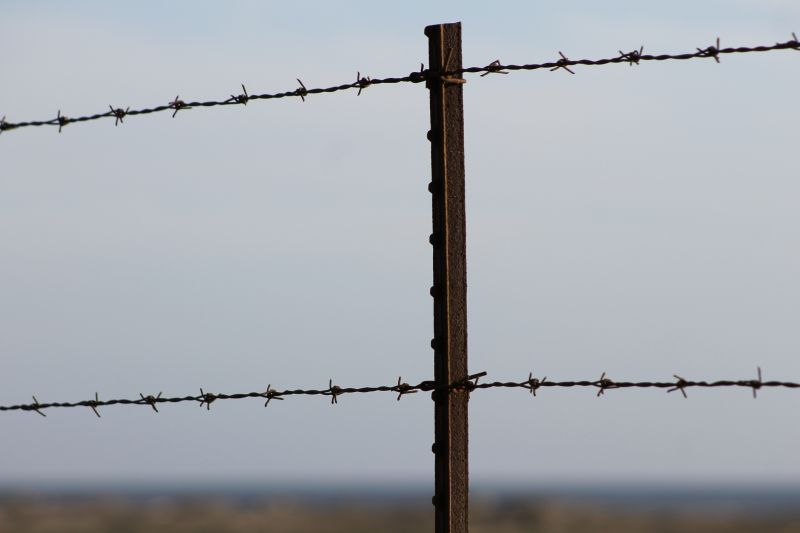
When comparing service providers for barbed wire fence installation, it’s important to consider their experience with similar projects. Homeowners should look for local contractors who have a proven track record of successfully completing fencing jobs comparable in size and scope. An experienced professional is more likely to understand the nuances of fence installation, including site-specific challenges and best practices, which can help ensure the project is completed efficiently and effectively.
Clear, written expectations are essential when evaluating potential contractors. Homeowners should seek providers who can offer detailed descriptions of the work involved, including the materials used, the installation process, and any preparations needed. Having a written outline helps prevent misunderstandings and provides a reference point throughout the project, fostering transparency and ensuring that both parties are aligned on the scope and deliverables.
Reputable references and good communication are key factors in selecting a reliable local contractor. Homeowners can ask for references from previous clients to gain insight into the quality of work and professionalism. Additionally, choosing service providers who communicate clearly and promptly can make the process smoother, allowing for questions or concerns to be addressed quickly. It’s important to remember that these local pros are available to handle the work; the site simply helps connect homeowners with trusted options in the area.
Property owners use Barbed Wire Fence Installation services for practical projects around their homes and businesses. This guide focuses on everyday jobs and straightforward project options.
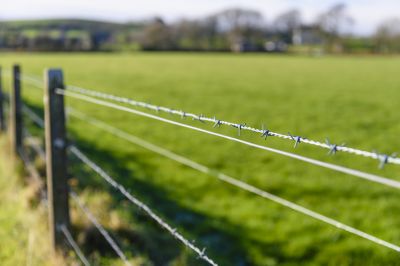
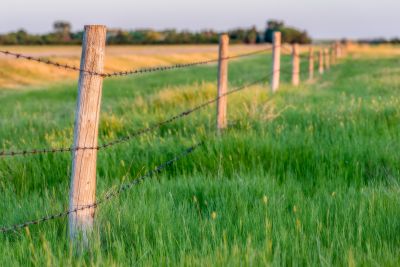
Barbed wire fence installation is a common solution for property owners who need to secure their land, keep animals contained, or prevent unwanted visitors. Local contractors often handle projects like adding new fencing around farms, ranches, or residential properties, especially when existing fences need reinforcement or replacement. These services are frequently sought after for boundary marking or to create clear property lines, ensuring peace of mind for homeowners and landowners alike.
Many property owners look for barbed wire fencing when they want a durable and cost-effective way to enhance security or manage livestock. Whether establishing a perimeter around a large estate or upgrading an aging fence, local service providers can assist with the installation process. They are experienced in working with different property types and can help determine the best fencing options to meet specific needs.
What types of barbed wire fencing do local contractors install? Local service providers typically install various types of barbed wire fencing, including plain, double-strand, and high-tensile options, depending on the security needs and property requirements.
How do contractors prepare the land for barbed wire fence installation? Contractors usually clear the area, mark the fence line, and set fence posts securely to ensure proper tension and durability of the barbed wire.
What factors influence the choice of barbed wire fencing for a property? Factors such as property size, intended security level, terrain, and local regulations can influence which type of barbed wire fence is suitable for a specific site.
Are there different post options used in barbed wire fence installation? Yes, local contractors often use wood, metal, or concrete posts, selected based on the fence’s purpose, terrain, and desired longevity.
What maintenance is typically required for a barbed wire fence? Maintenance may include checking for loose or broken wires, rust or corrosion, and ensuring posts remain secure to keep the fence effective over time.
Define Property Boundaries - Installing a barbed wire fence helps clearly mark property lines to prevent disputes with neighbors.
Secure Livestock or Pets - A sturdy fence keeps animals safely contained within a yard or farm area, reducing the risk of escapes.
Protect Gardens and Crops - Barbed wire can act as a barrier to deter wildlife or trespassers from accessing cultivated areas.
Enhance Security and Privacy - Adding a fence provides a physical barrier that can help deter intruders and define private outdoor spaces.
If you are thinking about Barbed Wire Fence Installation for a property, this guide is meant to help you understand the work, the typical project types, and how different options might fit your plans.
When you are ready, you can use the quote form on this page to share a few details about your project. From there, local pros can review the basics and respond with options that match what you have in mind.